Tin tức
Trang chủ / Tin tức / Tin tức trong ngành / Lựa chọn keo dán nội thất ô tô: Tiêu chí chính cho liên kết trang trí bền
 Tìm kiếm
 +86 178 5710 2305



Khi một tấm cửa bị bong ra khỏi lớp nền trong quá trình kiểm tra độ bền trên đường 40.000 km, đường liên kết thường là thành phần đầu tiên mà nhóm chất lượng phải kiểm tra. Đối với keo dán nội thất ô tô, nguyên nhân sâu xa hiếm khi chỉ là một thông số duy nhất. Hầu như luôn có sự không phù hợp giữa chất kết dính hóa học, quy trình ứng dụng và tải trọng môi trường mà tổ hợp sẽ gặp phải trong suốt thời gian sử dụng của nó. Do đó, việc lựa chọn keo dán nội thất ô tô không phải là một quyết định đơn giản “chọn loại keo mạnh nhất”. Thay vào đó, đây là bài tập về thông số kỹ thuật phải bắt đầu với chất nền chính xác, thiết bị ép, thời gian chu kỳ và mục tiêu độ bền khi sử dụng cuối.
Trên khắp các chi tiết trang trí của xe, những lỗi thường gặp nhất đến từ ba khoảng trống: chất kết dính không chịu được nhiệt, mối liên kết yếu đi sau quá trình luân chuyển độ ẩm hoặc cửa sổ quy trình không phù hợp với thời gian thực hiện của dây chuyền lắp ráp. Trong bài viết này, chúng tôi tóm tắt các tiêu chí thực tế quan trọng đối với việc liên kết nội thất ô tô và chỉ ra hai quy trình phổ biến—bọc tấm cốp xe và ép nhiệt nội thất—đòi hỏi các đặc tính kết dính khác nhau như thế nào.
Keo dán nội thất ô tô hoạt động trong những điều kiện mà chất kết dính đồ nội thất hoặc bao bì không bao giờ gặp phải. Các bề mặt bên trong của một chiếc xe đóng kín có thể chịu nhiệt độ bề mặt trên 85°C dưới ánh nắng mùa hè, kết hợp với độ ẩm tương đối tăng đột biến theo chu kỳ hàng ngày. Ở vùng khí hậu lạnh, liên kết tương tự cũng phải chịu được nhiệt độ dưới mức đóng băng mà không trở nên giòn. Đồng thời, không gian bên trong hạn chế lượng khí thải. VOC từ dung môi kết dính hoặc các sản phẩm phân hủy có thể tạo ra sương mù trên kính chắn gió và góp phần gây ra các khiếu nại về sức khỏe, vì vậy các thông số kỹ thuật OEM ngày càng đặt ra các giới hạn phát thải nghiêm ngặt.
Không giống như chất kết dính cấu trúc trên mối nối khung xe, chất kết dính trang trí nội thất là một liên kết “mềm”. Nó giữ vải, nhựa vinyl, da và xốp vào các tấm cửa, trần xe, khay đóng gói và nắp cốp. Chất kết dính phải đủ linh hoạt để đáp ứng sự chênh lệch giãn nở nhiệt giữa nền nhựa và lớp dệt trên cùng, nhưng cũng đủ mạnh để chống lại lực bong tróc và lực cắt trong quá trình lắp ráp xe và sử dụng hàng ngày.
Trước khi bạn so sánh các bảng dữ liệu sản phẩm, hãy xác định bốn tiêu chí quyết định liệu chất kết dính có tồn tại trong điều kiện sản xuất và điều kiện thực địa hay không. Đó là khả năng chịu nhiệt độ, hành vi lão hóa độ ẩm, mức phát thải và khả năng tương thích quy trình.
| Tiêu chí | Yêu cầu điển hình | Tại sao nó quan trọng |
|---|---|---|
| Khả năng chịu nhiệt | Duy trì độ bền liên kết ở 80–90°C | Ngăn chặn tấm bị võng hoặc trượt mềm dưới ánh nắng mặt trời |
| Độ ẩm lão hóa | Không bị giảm độ bền đáng kể sau 72 giờ ở 50°C / 95% RH | Mô phỏng thị trường gió mùa và độ ẩm cao |
| Mức phát thải | VOC thấp và độ mờ thấp theo phương pháp thử nghiệm OEM | Bảo vệ chất lượng không khí trong cabin và tầm nhìn của kính chắn gió |
| Cửa sổ xử lý | Thời gian mở khớp với chu kỳ ép hoặc quấn | Cho phép liên kết nhất quán trong một ca sản xuất |
Những tiêu chí này không phải là tùy chọn. Nhà cung cấp phải có khả năng hiển thị dữ liệu thử nghiệm cho từng loại chứ không chỉ là nhãn “loại ô tô” chung chung. Trong thực tế, chúng tôi đã thấy keo dán tấm cốp xe bị hỏng chỉ sau 90 ngày ở vùng khí hậu nhiệt đới. Sản phẩm có giá trị bong tróc ban đầu cao, nhưng cốt lõi polymer của nó bị phân hủy dưới độ ẩm kéo dài, giải phóng vải khỏi chất nền.
Liên kết nội thất ô tô không phải là một quá trình duy nhất. Một nhà máy có thể bọc một tấm che cốp cứng bằng thảm trong hoạt động chân không hoặc có áp suất hỗ trợ, trong khi một nhà máy khác ép một tấm cửa đúc bằng một chồng vải cắt sẵn. Mỗi phương pháp đặt ra những yêu cầu khác nhau đối với chất kết dính.
Trong quá trình bọc tấm cốp xe, một tấm thảm hoặc vải trang trí được dát lên một tấm ván định hình, thường có quy trình hỗ trợ áp lực. Chất kết dính phải cung cấp khả năng bám dính ngay lập tức, chống chảy xệ trên các mặt thẳng đứng và chịu được nhiệt độ mà bộ phận hoàn thiện đạt được trong cốp xe trong quá trình vận hành xe. Vì khu vực cốp xe không được kiểm soát khí hậu cẩn thận như cabin nên tải nhiệt và độ ẩm có thể cao hơn. Chất kết dính bọc tấm ván cốp xe đã được chứng minh cần có công thức có thể bám đồng thời vào lớp nền dạng sợi của tấm thảm và bề mặt xốp của tấm ván.
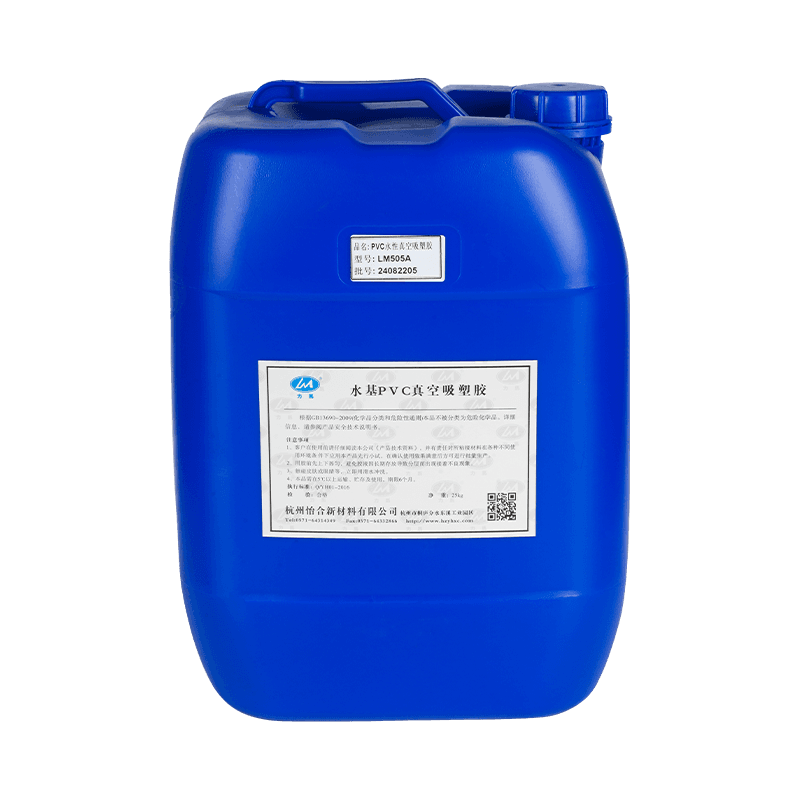
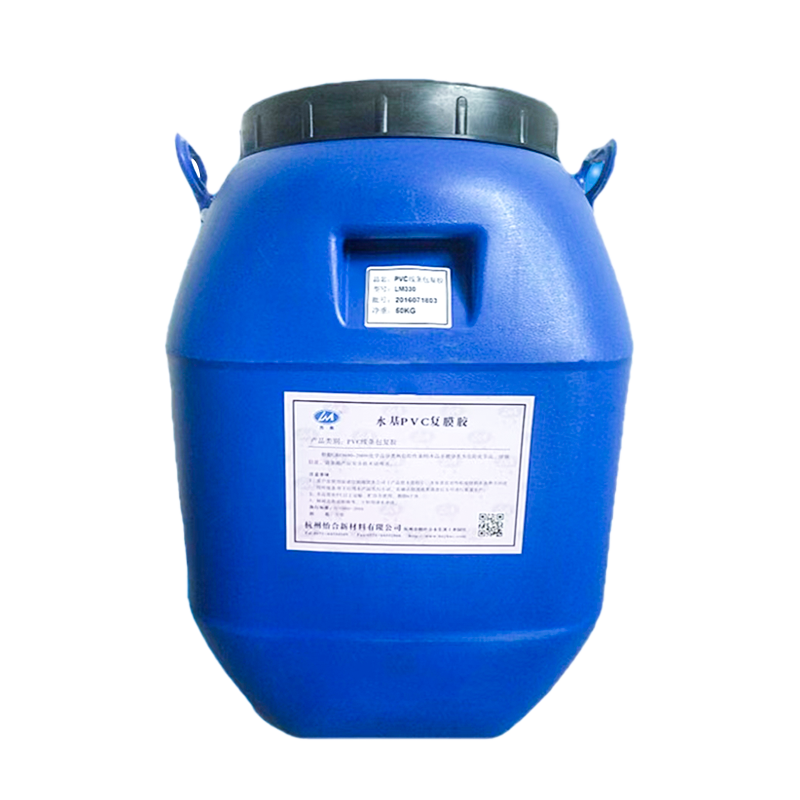
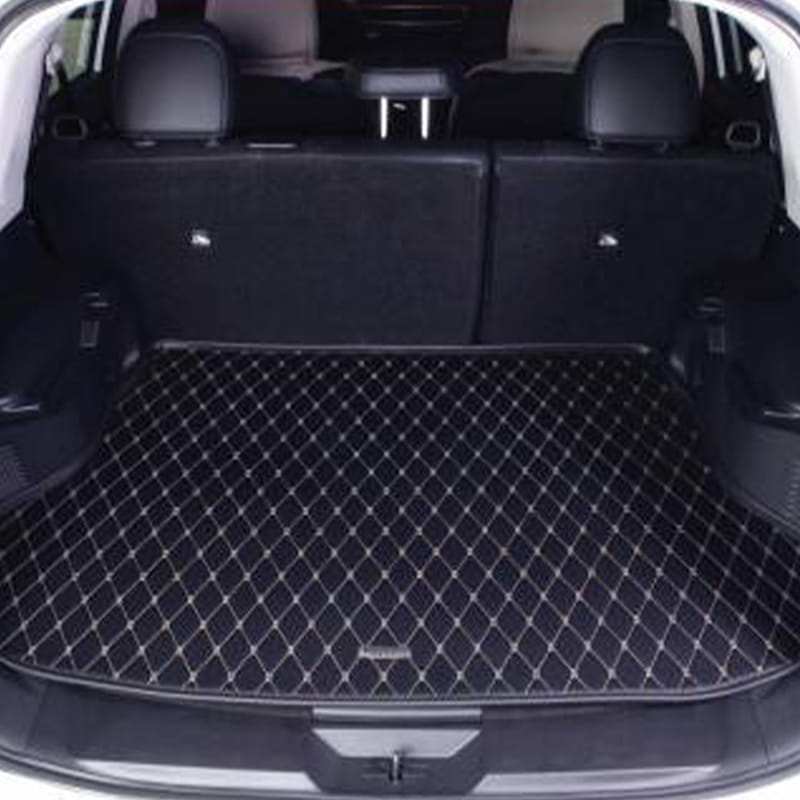 LM3817 Keo gốc nước dùng để bọc tấm cốp ô tô Chất kết dính gốc nước có độ bám dính ban đầu và độ bám dính lâu dài, được thiết kế để dán thảm hoặc vải vào ván cốp xe. Nó bám chặt vào lớp nền dạng sợi và bề mặt bảng xốp trong khi chịu được tải nhiệt và độ ẩm, hỗ trợ cán màng hỗ trợ áp suất. Xem sản phẩm →
 Các ứng dụng ép nhiệt trang trí nội thất, chẳng hạn như tấm cửa nhiều lớp hoặc tấm lót bảng điều khiển, dựa vào chu trình ép ngắn bằng cả nhiệt và áp suất. Keo chuyển từ một lớp màng hoặc lớp chất lỏng và đóng rắn trong khi ngăn xếp được đóng lại. Đặc tính quan trọng ở đây là cửa sổ phản ứng: chất kết dính phải làm ướt bề mặt nhanh chóng và phát triển độ bền trước khi máy ép mở ra, nhưng không xử lý sớm đến mức vải không thể dịch chuyển vào đúng vị trí. Chất kết dính ép nhiệt bên trong chuyên dụng cân bằng thời gian mở và độ bền xanh để duy trì thời gian chu kỳ cạnh tranh.
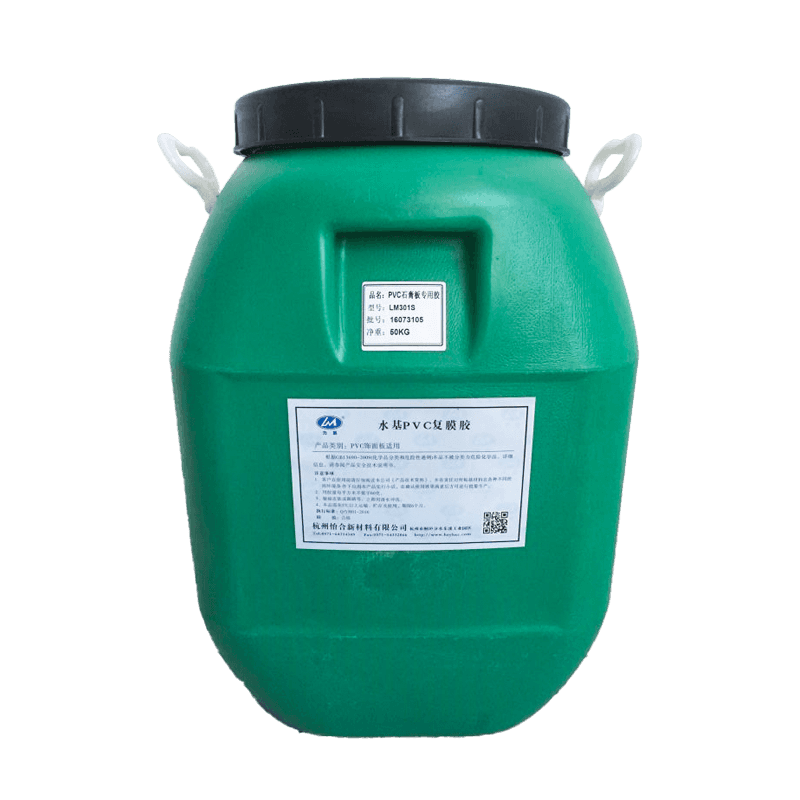
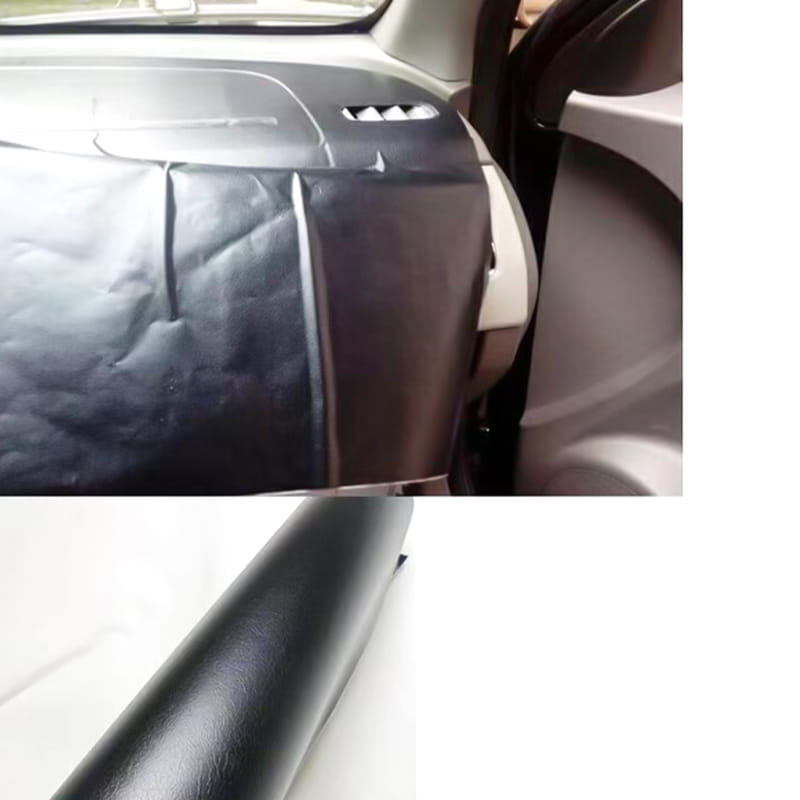 Keo LM578 dùng để ép nhiệt nội thất ô tô Chất kết dính nhiệt độ kích hoạt thấp với thời gian mở lâu hơn, thích hợp cho việc ép nhiệt các tấm cửa hoặc tấm lót bảng điều khiển. Nó phát triển độ bền nhanh chóng nhưng vẫn cho phép điều chỉnh vải, cân bằng thời gian chu trình và khả năng chịu nhiệt lên tới 80°C. Xem sản phẩm →
 Không có chất kết dính nào hoạt động trên mọi bề mặt bên trong, nhưng có thể dự đoán được sự khác biệt. Màng PVC và polyolefin (PET, PP) có năng lượng bề mặt thấp. Chúng yêu cầu chất kết dính có thể di chuyển lên bề mặt hoặc sử dụng nhựa kết dính để tạo độ bền liên kết. Chất nền xốp và vải hấp thụ chất kết dính, làm tăng độ bám dính ban đầu nhưng có thể gây ra vết xước nếu độ nhớt quá thấp. Khi nhà cung cấp cung cấp chất kết dính nội thất ô tô, hãy hỏi rõ ràng chất nền nào đã được xác nhận.
Trong loạt sản phẩm của chúng tôi, sản phẩm LM3817 được thiết kế để bọc tấm cốp xe, trong khi LM578 được thiết kế để vận hành máy ép nhiệt bên trong. Những sự phân biệt này không phải là nhãn hiệu tiếp thị; chúng phản ánh các đặc tính polyme, liên kết ngang và dòng chảy khác nhau khiến mỗi hệ thống phù hợp với quy trình và bộ chất nền riêng của nó.
Sự thay đổi đáng kể nhất trong việc liên kết nội thất ô tô trong những năm gần đây là việc thắt chặt các yêu cầu về khí thải. Các nhà sản xuất thiết bị gốc hiện áp dụng các phương pháp thử nghiệm nội bộ về độ mờ, mùi và tổng hợp chất hữu cơ dễ bay hơi. Các công thức dựa trên PVC gốc dung môi hoặc xi măng tiếp xúc ngày càng khó đủ điều kiện, trong khi các hệ thống gốc nước và nóng chảy đang tỏ ra dễ tiếp cận hơn. Sự thay đổi này có ảnh hưởng trực tiếp đến khả năng liên kết: chất kết dính phát thải thấp có thể có tính lưu biến khác, thời gian mở ngắn hơn hoặc cần điều chỉnh nhiệt độ ứng dụng.
Khi bạn đánh giá chất kết dính nội thất ô tô, hãy yêu cầu báo cáo kiểm tra khí thải tương ứng với tiêu chuẩn OEM mà bạn đang làm việc. Một SDS chung là không đủ. Đồng thời đặt câu hỏi liệu sản phẩm có tuân thủ các tiêu chuẩn bảo vệ môi trường quốc gia hiện hành của Trung Quốc về chất kết dính hay không, bởi các dây chuyền sản xuất phục vụ cả chương trình nội địa và xuất khẩu thường sẽ phải chuyển đổi công thức.
Vai trò của nhà cung cấp chất kết dính còn mở rộng ra ngoài việc cung cấp trống. Bạn đang chọn một đối tác về kỹ thuật quy trình, kiểm soát chất lượng và tuân thủ môi trường. Dưới đây là những câu hỏi thực tế để hỏi trước khi bạn cam kết.
Chọn chất kết dính không phải là vấn đề tìm kiếm một sản phẩm có tác dụng ngay lần thử đầu tiên. Một nhà cung cấp đáng tin cậy sẽ chạy thử nghiệm nguyên mẫu với chất nền của riêng bạn và ghi lại các dạng lỗi để bạn có thể đưa ra đánh giá sáng suốt. Đây là nơi một công ty có cơ sở phòng thí nghiệm nội bộ và đội ngũ dịch vụ tận tâm có thể tạo ra sự khác biệt rõ ràng.
Bắt đầu với quy trình sản xuất và môi trường sử dụng cuối cùng. Nếu bạn đang bọc các tấm thân cây, hãy tìm loại keo có khả năng neo sợi chắc chắn và chịu nhiệt. Nếu bạn đang nhấn các miếng chèn bên trong, hãy tối ưu hóa khả năng làm ướt và xử lý nhanh dưới nhiệt. Xác thực mọi ứng cử viên theo các tiêu chí về độ ẩm, nhiệt và khí thải trước khi mở rộng quy mô.
Khi các quy định được thắt chặt và các thiết kế nội thất trở nên phức tạp hơn, mối ràng buộc không phải là một mặt hàng ẩn giấu—nó là một giao diện quan trọng. sử dụng hướng dẫn này về cách keo dán nội thất ô tô mang lại kết nối lâu dài làm tài liệu tham khảo kỹ thuật và làm việc với nhà cung cấp của bạn để chạy thử nghiệm phù hợp cho tổ hợp cụ thể của bạn.







Bản quyền © Công ty TNHH Tài liệu mới Hàng Châu Yihe, Ltd. Quyền được bảo lưu.
Nhà cung cấp keo thân thiện với môi trường